

Mirror, Mirror on the Wall: When Innovativeness Becomes Attractive
Innovation creates competitive advantage only when customers recognize it as relevant and valuable. Drawing on research from the Norwegian Innovation Index, this article explores how customer-perceived innovativeness shapes firm attractiveness—and why technological sophistication alone is not enough.

Research Insights: Key Innovation Trends from the Norwegian innovation index
What you can learn from the latest results from the Norwegian Innovation Index annual report.

Blog: Insights into sustained success in social innovation - The case of Balay
The 21st century is characterized by the convergence of global challenges of unprecedented complexity, including the climate crisis, systemic inequality, and health crises like the COVID-19 pandemic. In this context, social innovation has emerged as a strategic imperative, not just an option.

Business Case: Iberia Leads Airline Innovation in Spain as Passengers Redefine What Innovation Means
The Carlos III University of Madrid (UC3M) has presented the results of the 4th edition of the Spanish Innovation Index (IEI), prepared by the Institute for Business and Market Development (INDEM) at UC3M in collaboration with the consulting firm Neovantas.

Teaching Case: Lunar Bank - Solving the Innovation Paradox in the Nordic Banking Industry
Ken Villum Klausen, founder and CEO of Lunar, has spent the past decade on reshaping an entire industry; but what should banking look like in a future dominated by digital and AI technology?
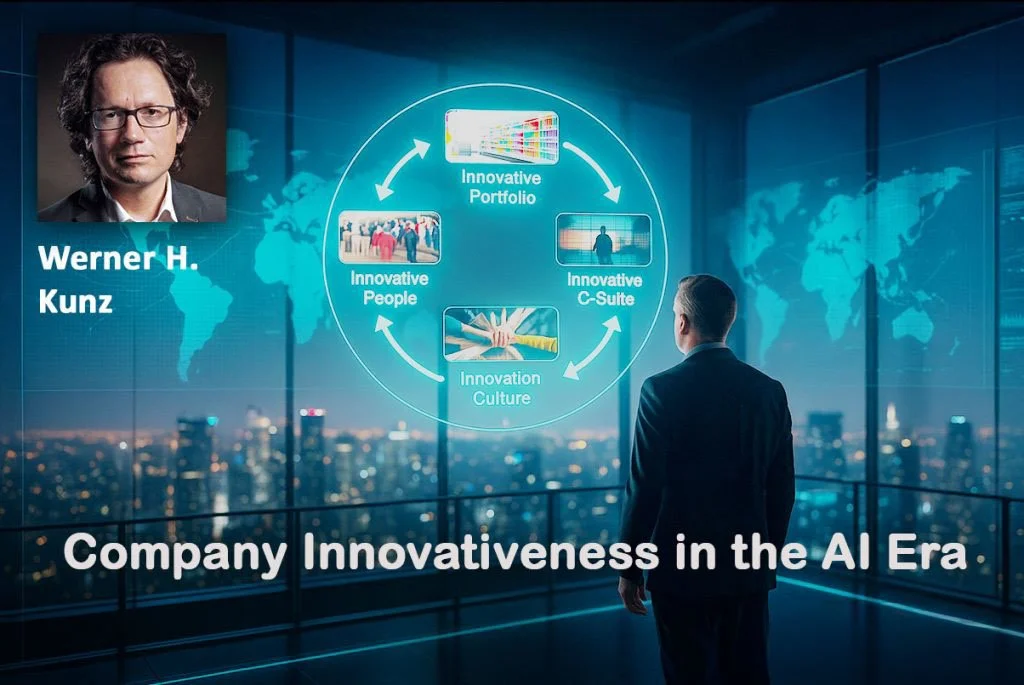
Blog: Company Innovativeness in the AI Era
AI is everywhere, yet most companies still struggle to innovate. While 83% of firms name innovation a top priority, readiness to innovate has actually declined since 2022. This article argues that the real gap is not technology — it's mindset. Four organizational factors determine who wins in the AI era.
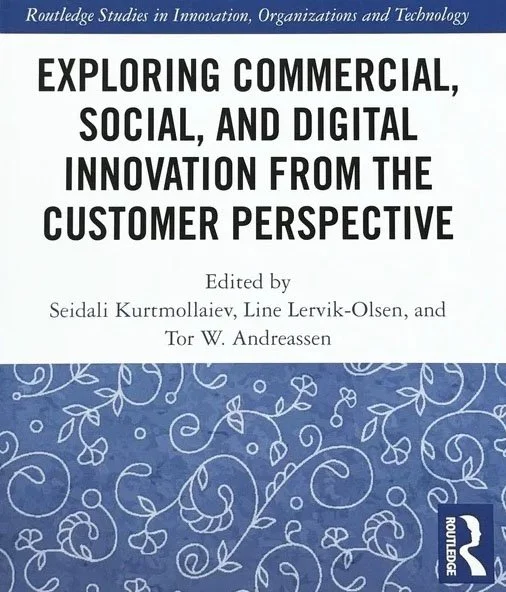
New Book: Exploring Commercial, Social, and Digital Innovation from the Customer Perspective
The traditional narrative of innovation often centers around the firm, overlooking the role of the customer as the ultimate judge and beneficiary of innovations. This book challenges the firm’s right to define innovation, advocating instead for a customer-centric approach.

The road to unsuccessful innovations is paved with good intentions
Most innovations fail not because companies lack effort or ambition, but because they misread what customers actually experience. Research shows 40–90% of innovation projects end in failure. The reason is rarely bad intentions — it's a perceptual gap between what managers think they deliver and what customers believe they receive.
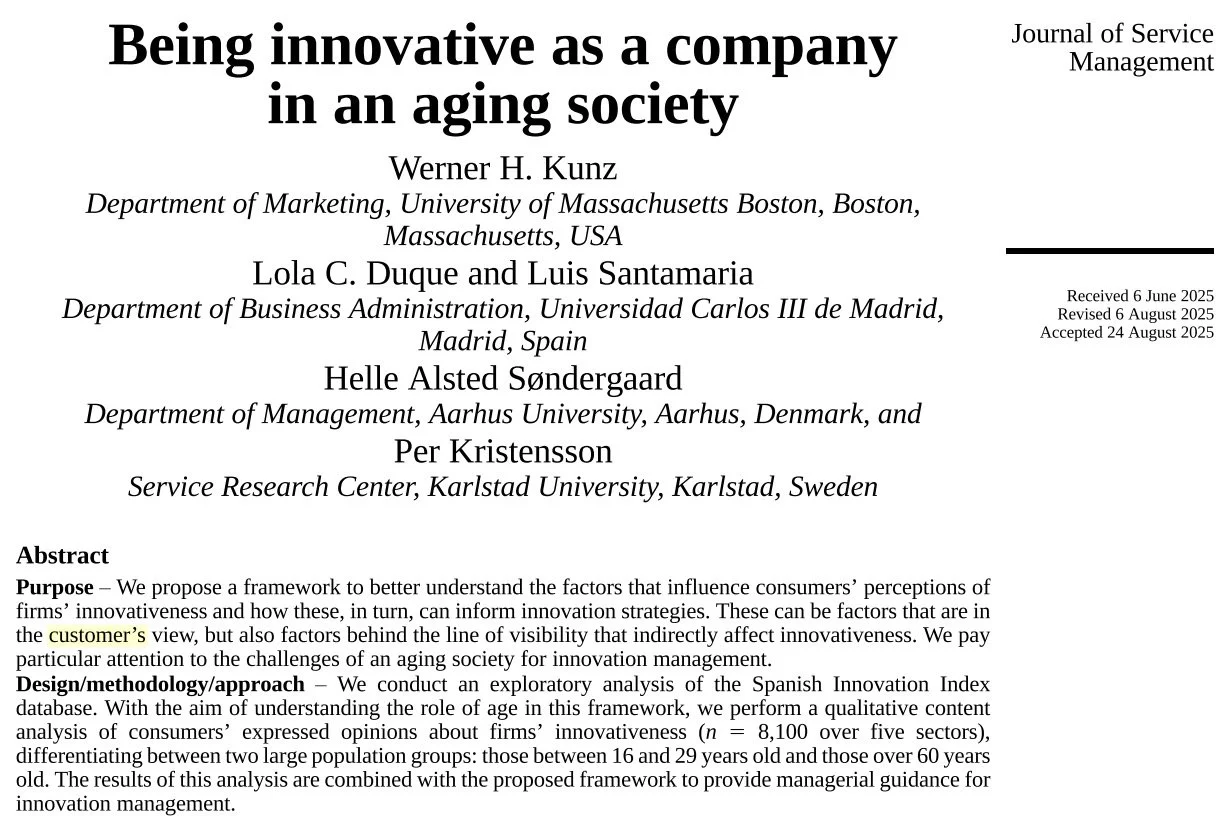
New Paper: How to Be innovative as a company in an aging society
We propose a framework to clarify factors shaping consumers' perceptions of firm innovativeness—and how these inform innovation strategy. Factors include visible customer-facing signs and less visible, behind-the-scenes elements.
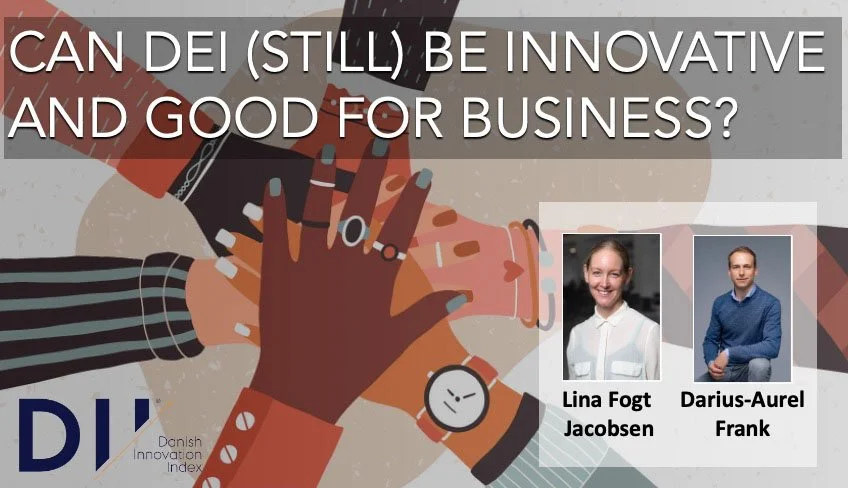
Blog: Can DEI (still) be Innovative and Good for Business?
DEI is under pressure. As companies like LEGO quietly drop words like "diversity" from annual reports, a key question resurfaces: does Diversity, Equity, and Inclusion still drive business value? Drawing on the Danish Innovation Index, this article examines how DEI shapes consumer perceptions of innovativeness — and what it takes to get it right.
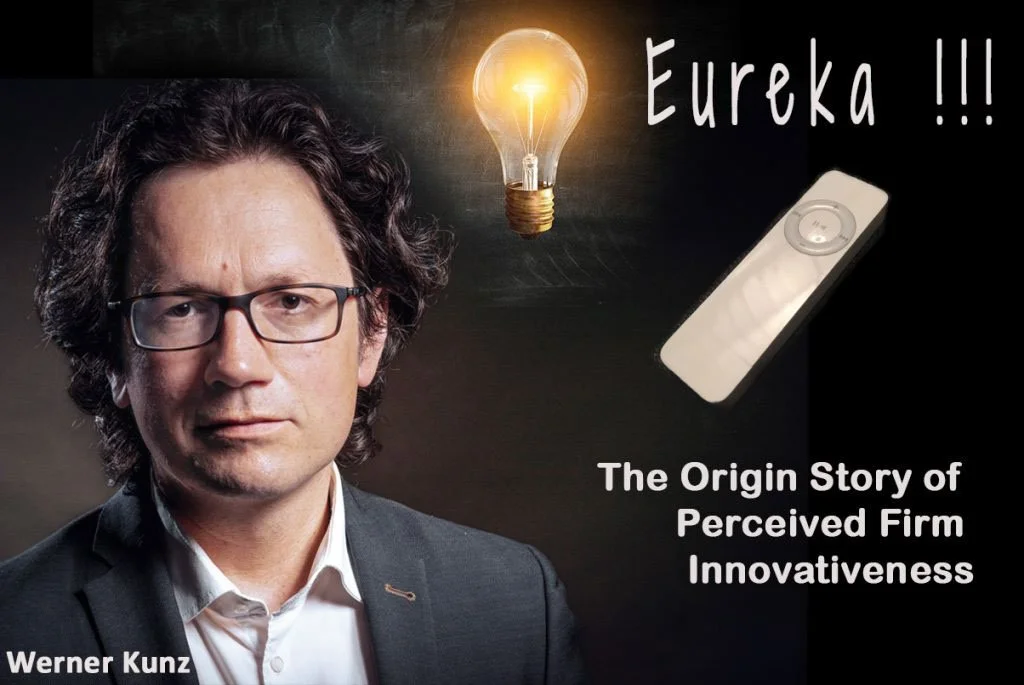
Eureka ! – The Origin Story of Perceived Firm Innovativeness
Where do research ideas come from? For Werner Kunz, it took a small white plastic brick with no display and no real function to spark a paradigm shift. This is the origin story of the Perceived Firm Innovativeness (PFI) scale.