
Special Session about firm innovativeness at the AMA Winter Conference 2026
At the AMA Academic Winter Conference 2026, the Innovation Index Coalition took center stage in the Special Interest Group on Service Research (SERVSIG) and was recognized as both a critical research domain and a managerial compass for benchmarking performance through the eyes of consumers.
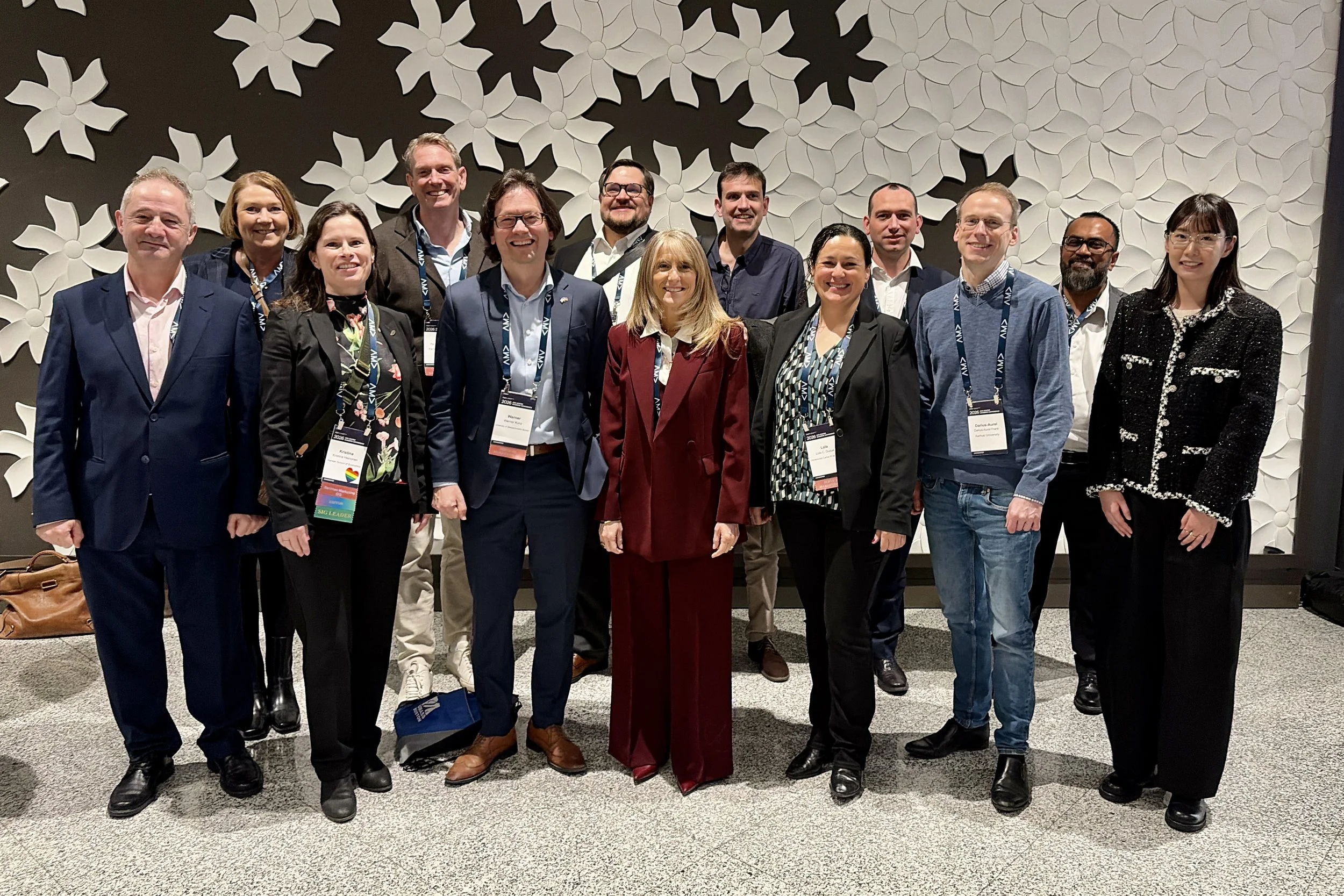
In this context, the American Marketing Association Winter conference in Madrid hosted the special session “Firm Innovativeness and Service Innovation Through the Customer Lens: Insights, Inspiration, and Collaboration,” organized by Werner Kunz and Kristina Heinonen.
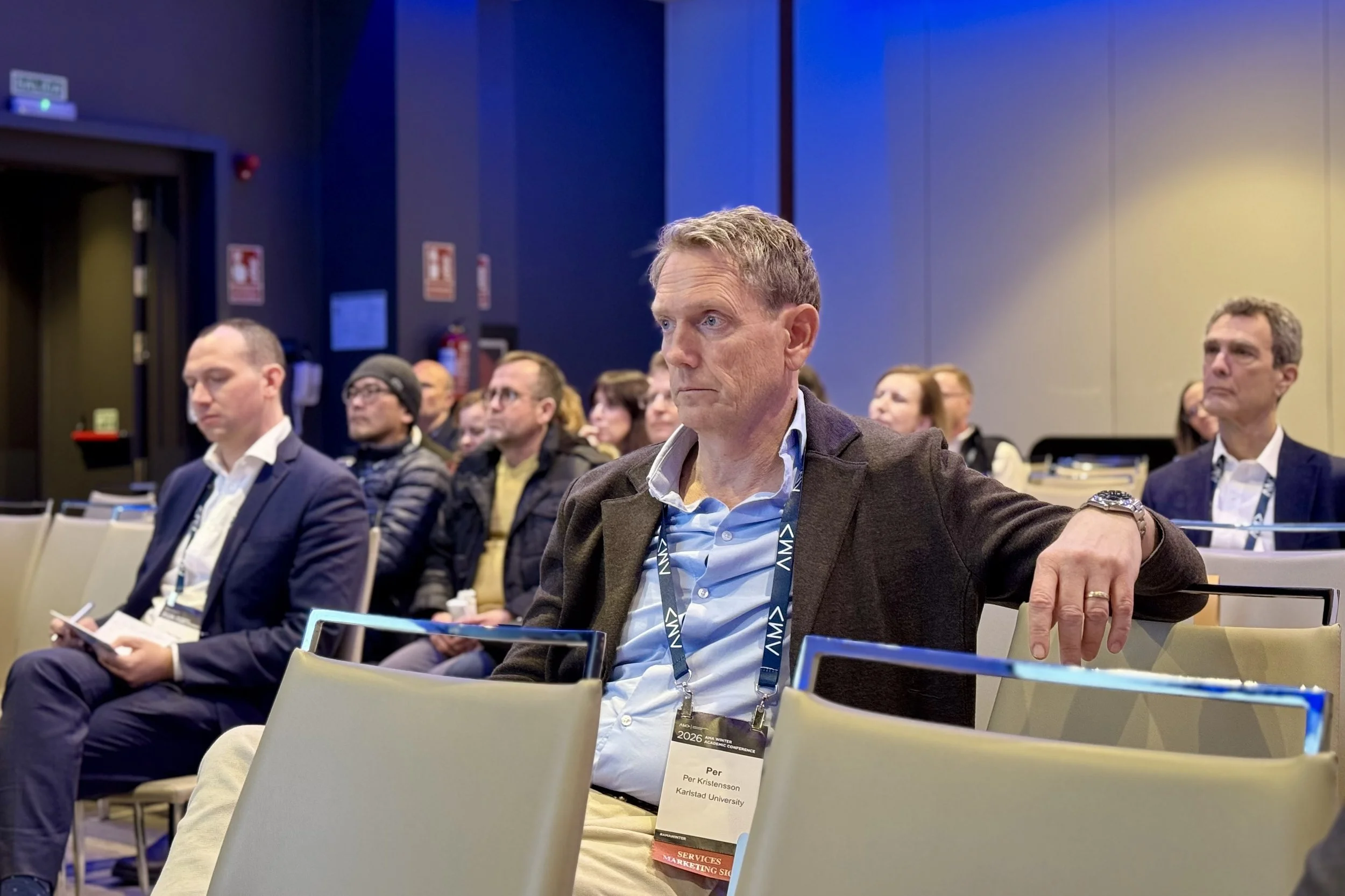
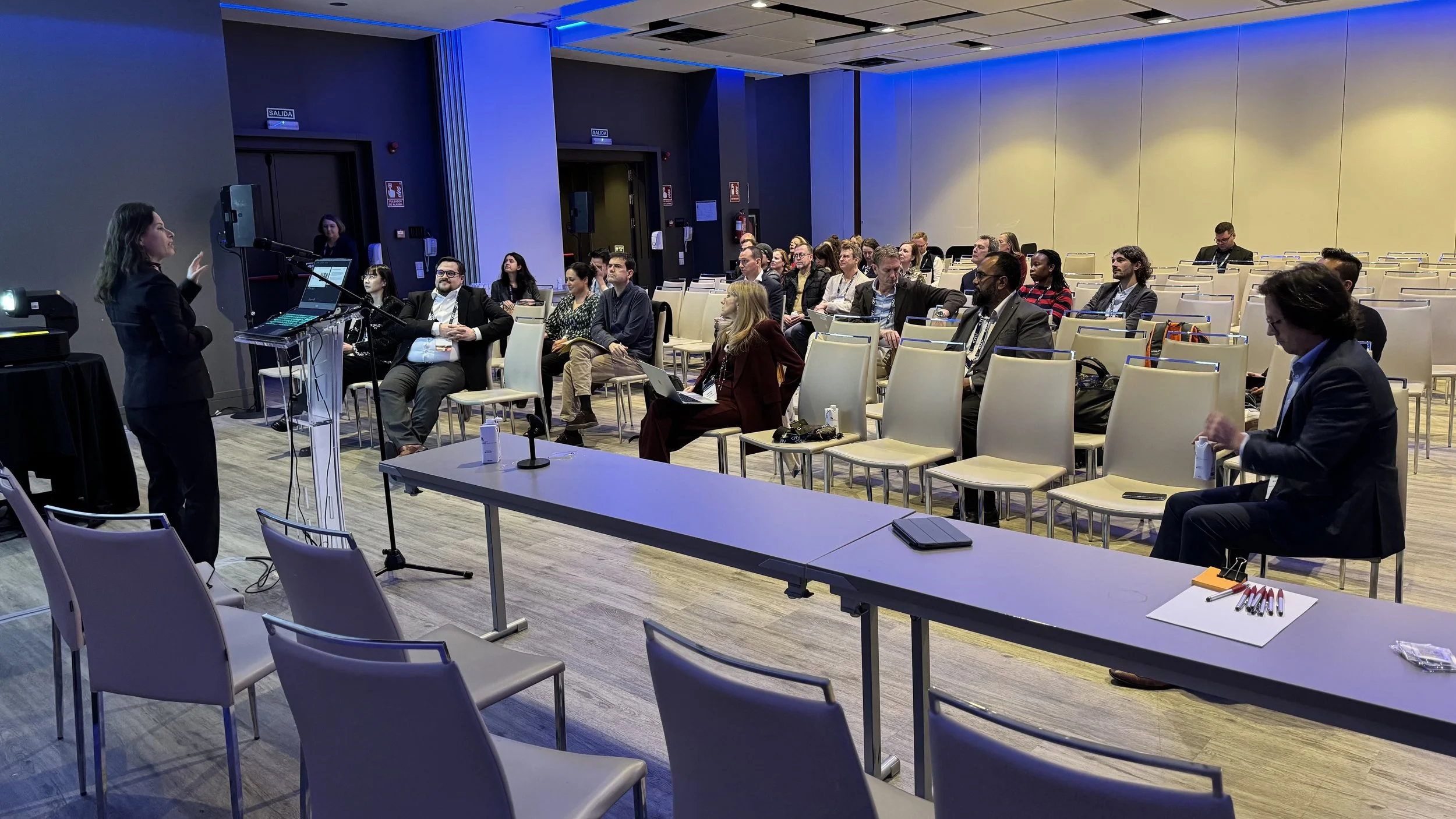
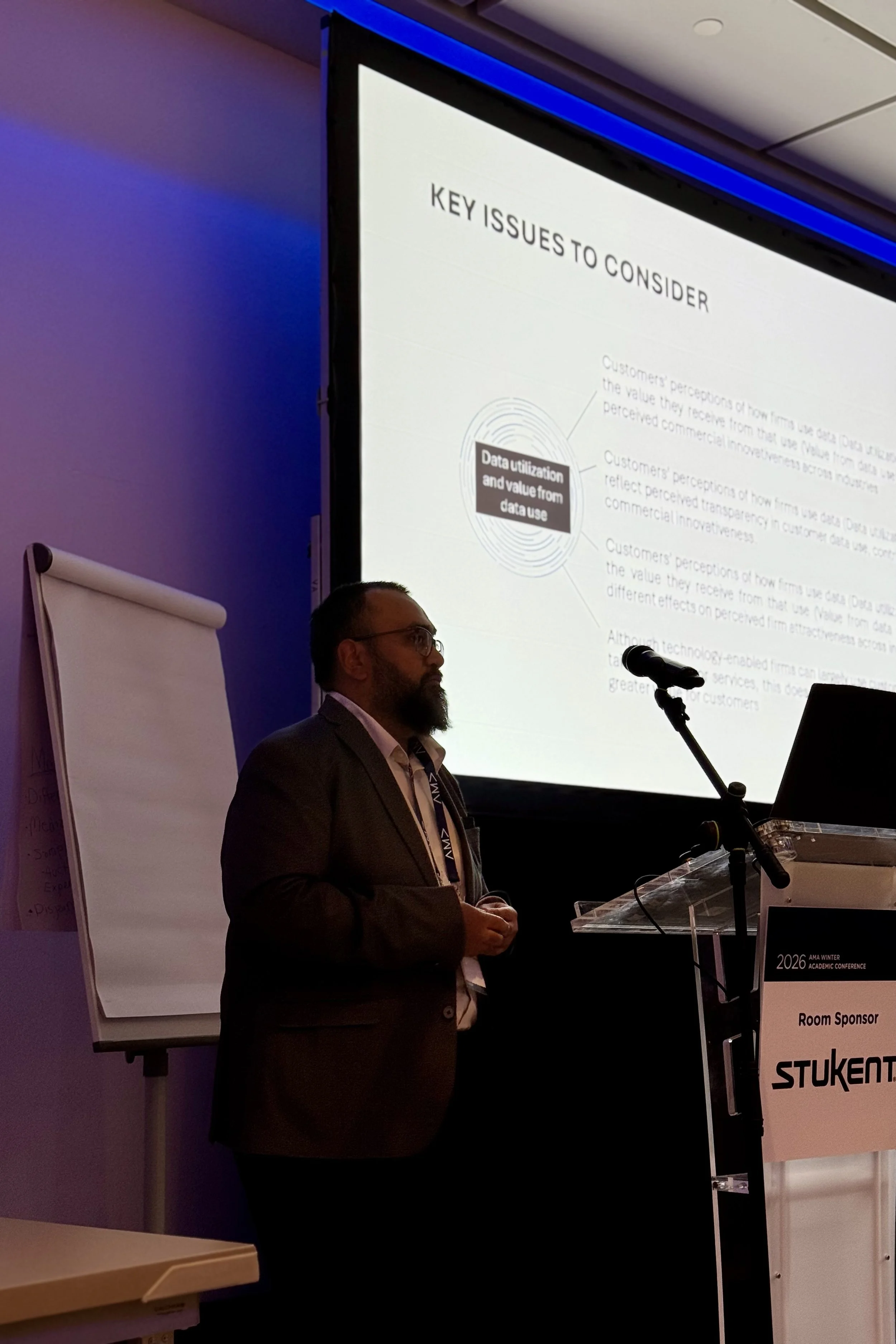
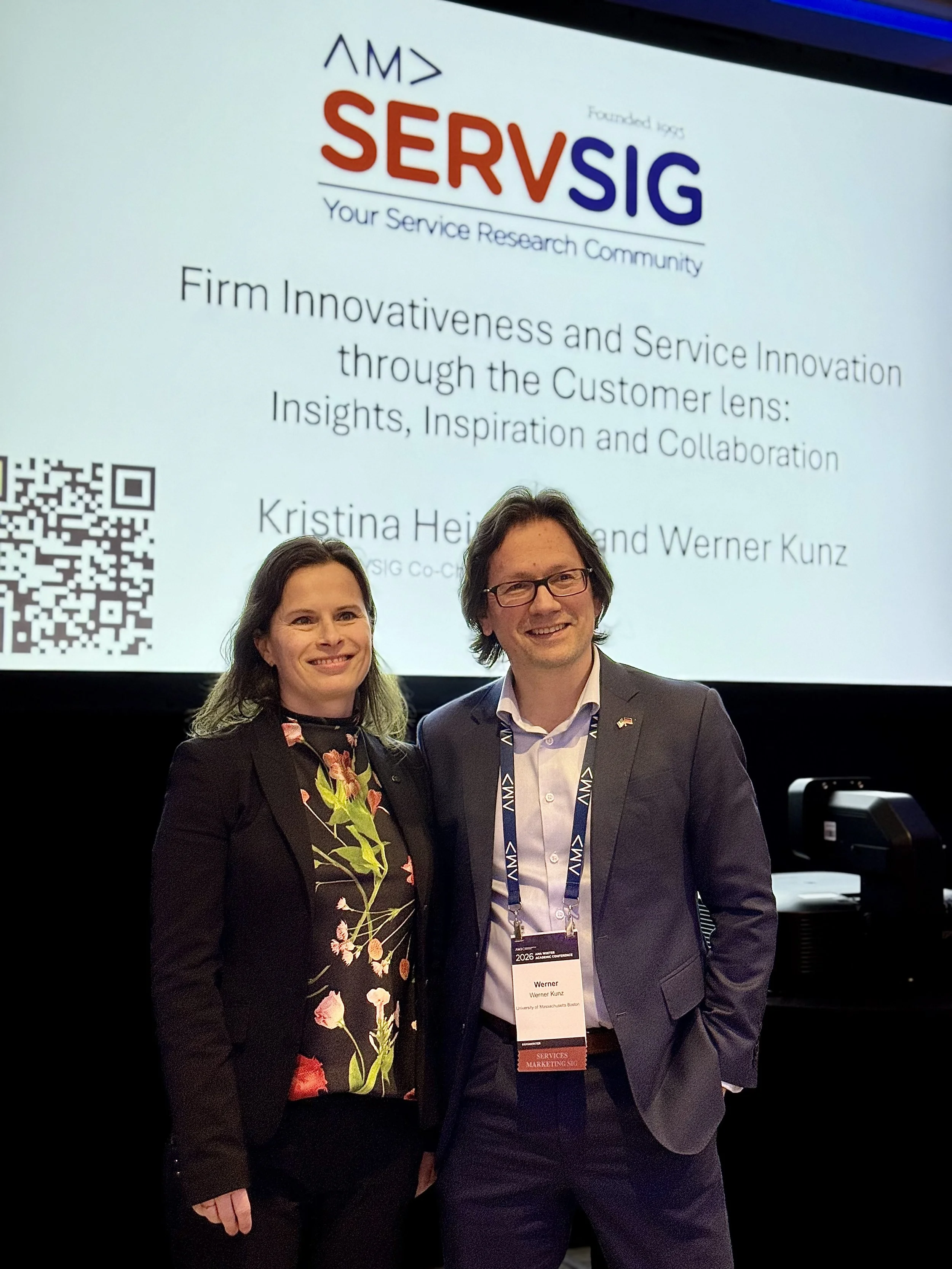
The session featured inspirational talks offering state-of-the-art perspectives on firm innovativeness. Each talk was complemented by a discussant who broadened the conversation within the service research field. Participants also engaged in an interactive exercise to identify future research avenues and opportunities for collaboration.
-
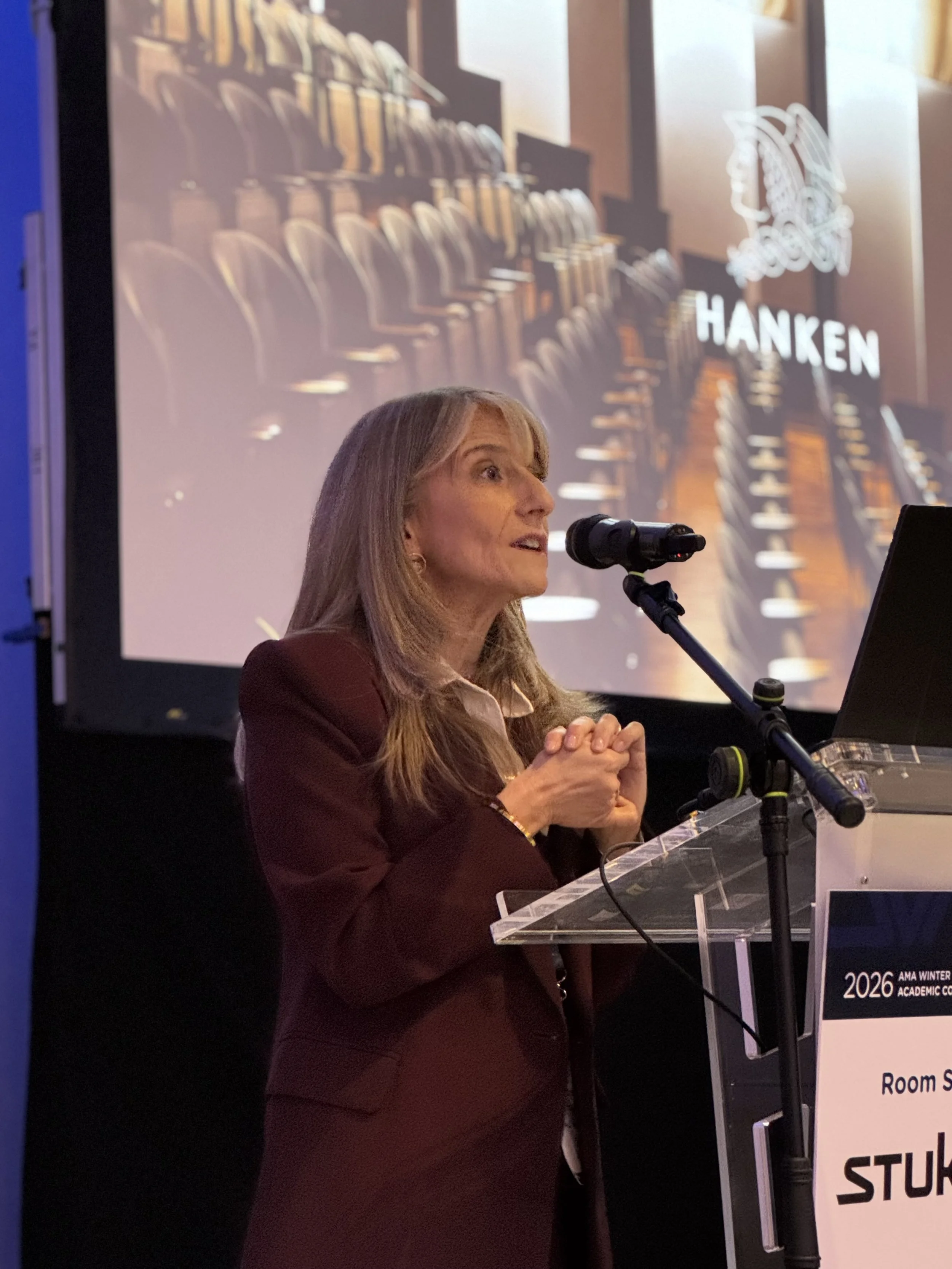
Presenter: Arafat Rahman (Hanken School of Economics, Helsinki)
Co-author: Kristina Heinonen (Hanken School of Economics)
Discussant: Cristina Mele
Plain summary: This study looks at how customers feel about the ways companies collect and use their personal data, and how those feelings affect overall opinions of the company. It explains which types of data use raise concern, which practices build trust, and how those reactions change customers’ evaluations of firm quality and reputation.
Why it matters: Understanding these perceptions helps firms design data practices and communications that protect privacy, build trust, and improve customer evaluations.
-
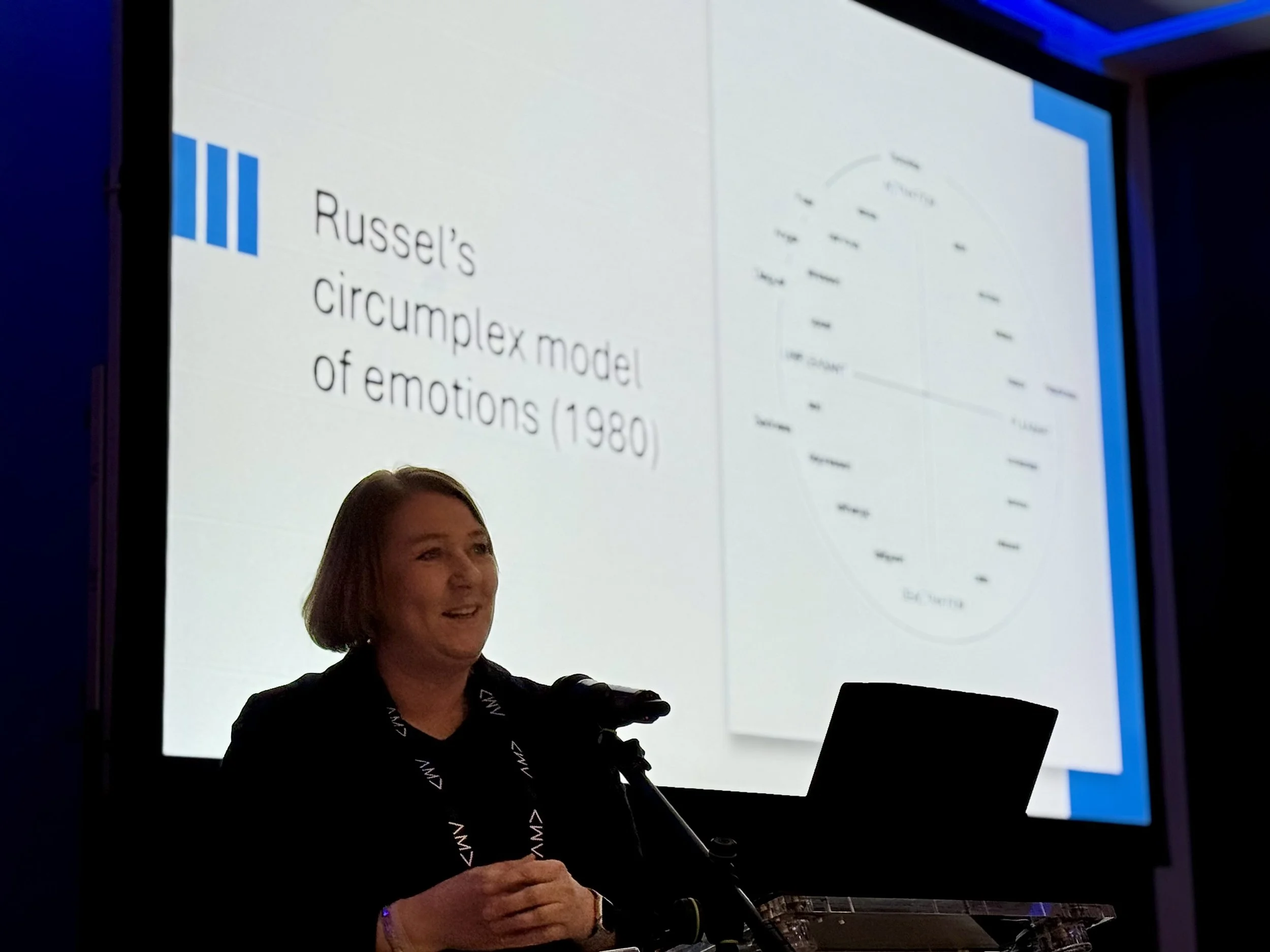
Presenter: Line Lervik-Olsen (BI Norwegian Business School; NHH)
Co-author: Seidali Kurtmollaiev (Kristiania University of Applied Sciences; University of South-Eastern Norway; NHH)
Discussant: Carlos Flavian
Plain summary: This paper examines the emotions customers feel when they encounter new products, services, or business models, and how those emotions influence how attractive they find the firm. It identifies which emotional responses (positive or negative) most strongly affect customer interest and willingness to engage with the company.
Why it matters: Firms can use these insights to design innovations and customer experiences that evoke beneficial emotions and increase attractiveness to current and potential customers.
-
Presenter: Lola C. Duque (Universidad Carlos III de Madrid)
Co-authors: Luis Santamaría (Universidad Carlos III de Madrid) and Tor Wallin Andreassen (NHH)
Discussant: Per Kristensson
Plain summary: This research proposes two distinct ways customer-focused innovation can make a company more attractive in the market. One route emphasizes improving functional benefits and performance; the other focuses on emotional and experiential value. The study compares the effects and when each route is most effective.
Why it matters: Managers can choose the best innovation strategy based on whether customers prioritize practicality or experience, improving the success rate of new offers.
-
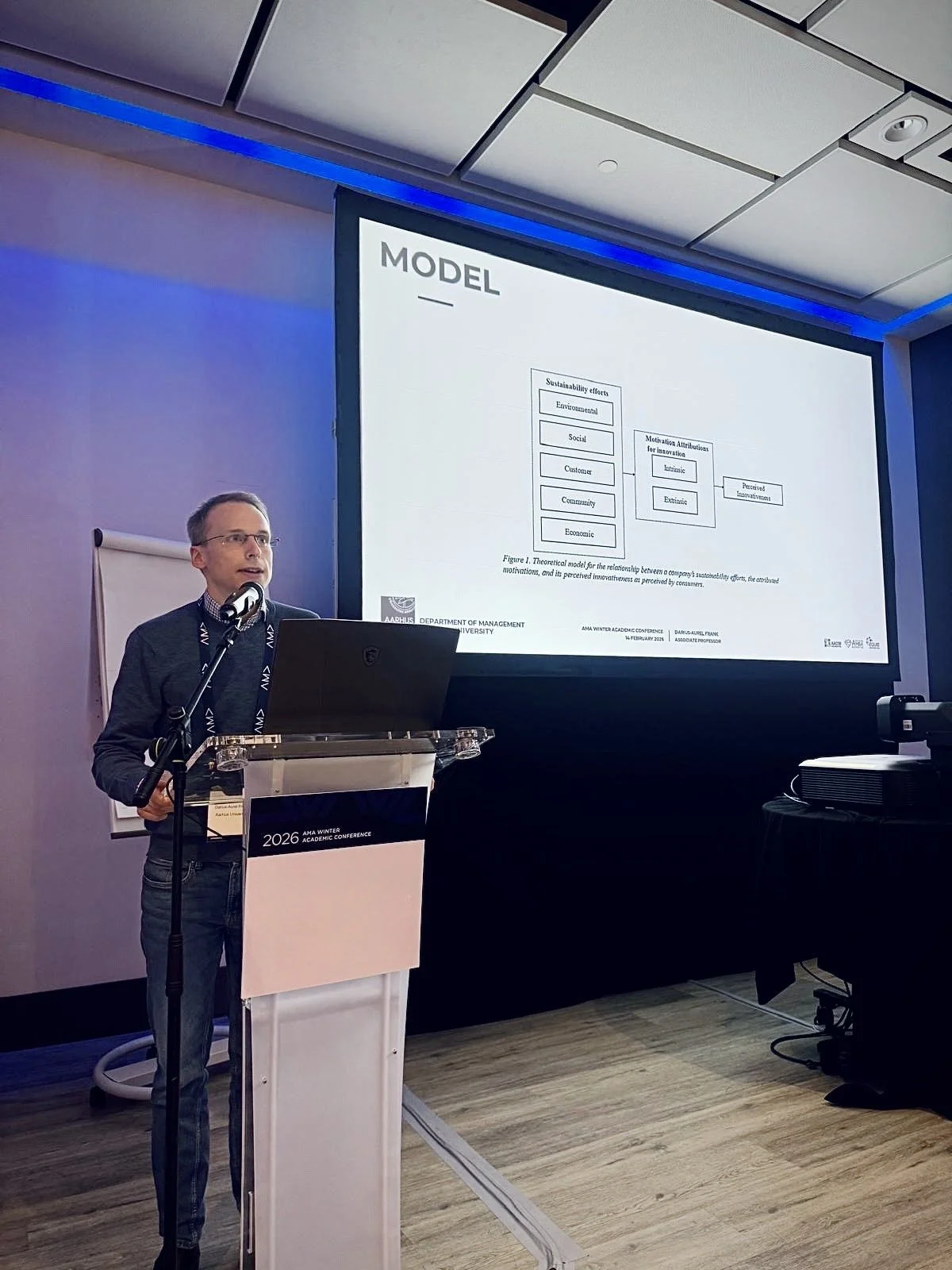
Presenter: Darius‑Aurel Frank (Aarhus University)
Co-authors: Helle Alsted Søndergaard and Lina Jacobsen (Aarhus BSS, Aarhus University)
Discussant: Daniel Belanche
Plain summary: This paper studies how customers’ perceptions of a company’s sustainability actions affect whether they see that company as innovative. It shows which sustainability signals strengthen the link to perceived innovativeness and which may be ignored or mistrusted.
Why it matters: Clear, genuine sustainability efforts can boost a firm’s reputation for innovation; firms should communicate and implement sustainability in ways that customers recognize as credible innovations.
-
Presenter: Aku Valtakoski (Linköping University)
Co-author: Yijun Sui (Linköping University)
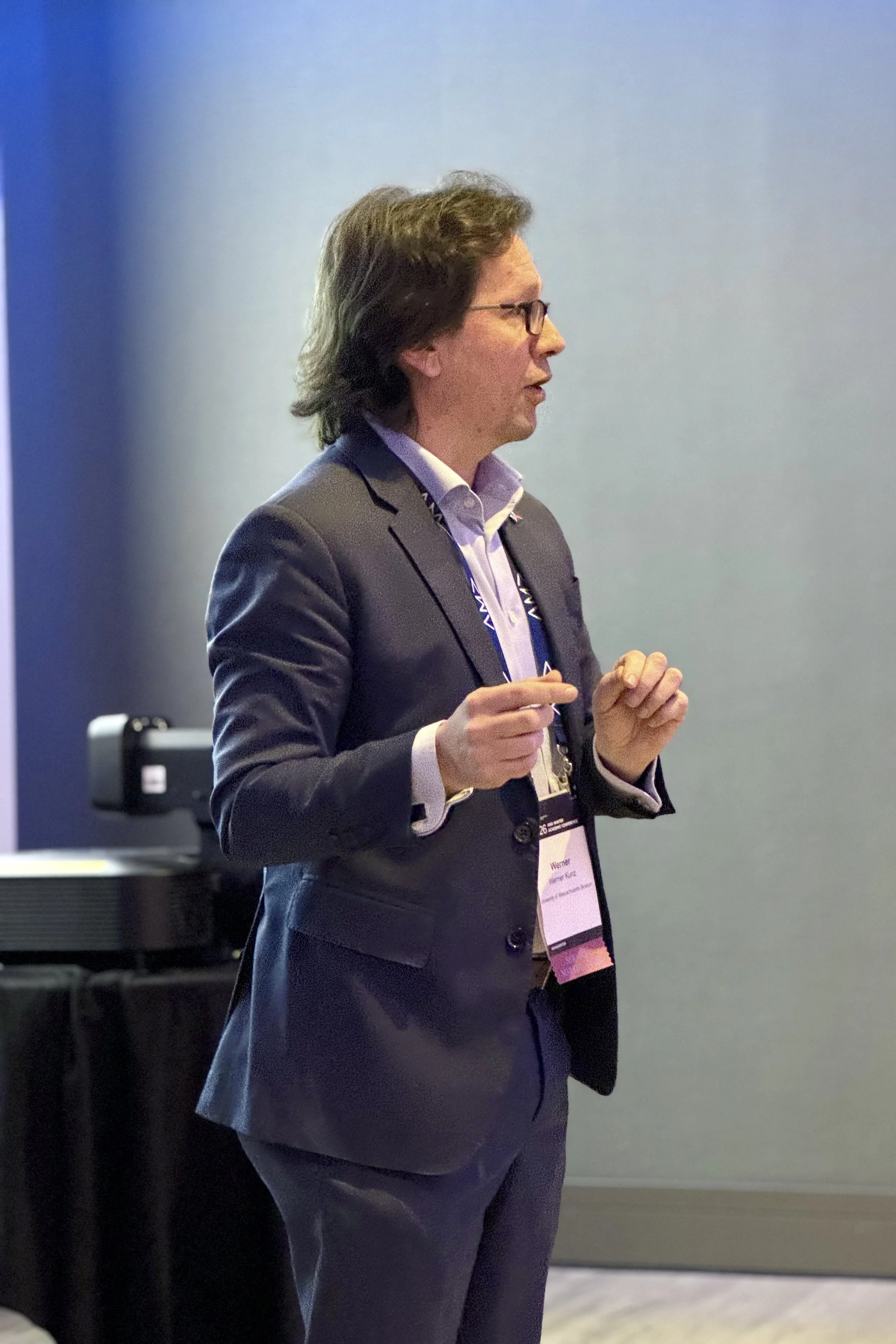
Discussant: Werner Kunz (University of Massachusetts Boston Honors College)
Plain summary: This study explores how innovations in service firms (processes, technologies, or service design) affect the customer experience. It identifies which types of service innovation produce the biggest improvements in experience and customer satisfaction.
Why it matters: Service firms can prioritize the kinds of innovation that most effectively enhance customer experience, leading to stronger loyalty and competitive advantage.
Overall takeaway for attendees
All five talks connect customer perceptions and emotions to the success of innovations.
Practical implications focus on designing innovations, data practices, and sustainability efforts that customers recognize and value.
For researchers, these studies offer frameworks and evidence linking customer-facing signals to perceived firm attractiveness and innovativeness.